
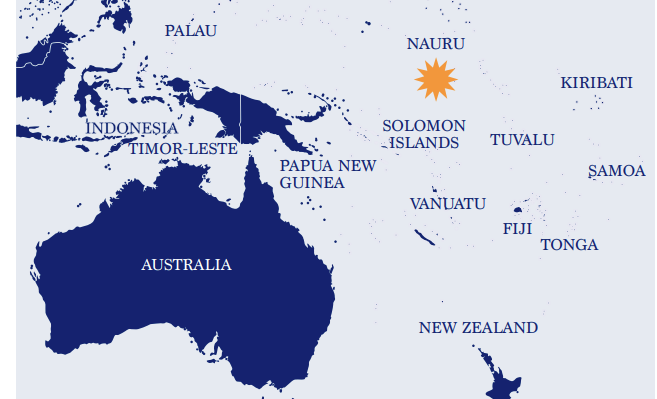
Nauru Citizenship FAQ
This article serves as a comprehensive FAQ about obtaining citizenship in Nauru. Whether you are looking to settle in this unique Pacific island nation or simply want to understand the citizenship process better, this guide will provide you with the essential information you need. For a detailed look into the frequently asked questions, visit our Nauru Citizenship FAQ.
1. Why Choose Nauru?
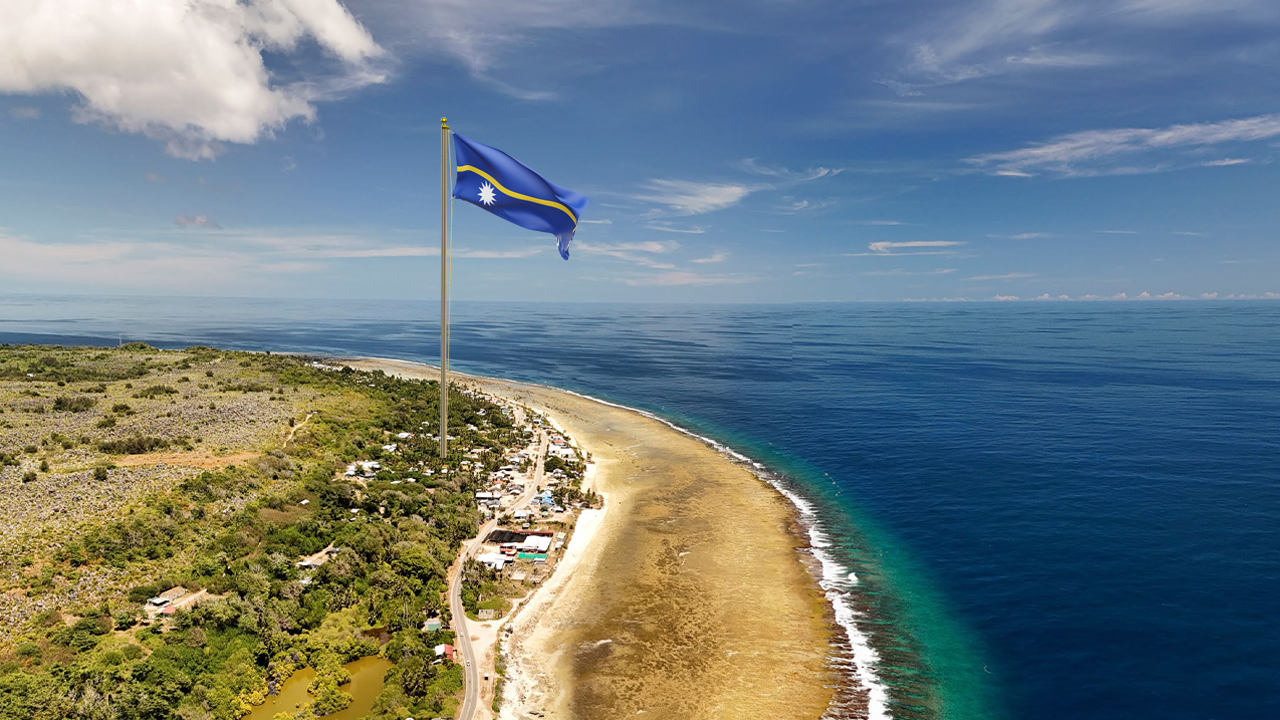
Nauru, the third smallest country in the world, is known for its stunning landscapes and friendly communities. Its coral reef lagoons, picturesque beaches, and intriguing history make it a desirable place for those seeking a fresh start or a new home. The prospect of living in Nauru also offers benefits such as a strategic location for regional business opportunities and a peaceful lifestyle.
2. Who is Eligible for Nauru Citizenship?
Eligibility for Nauru citizenship can vary based on several criteria. Generally, individuals can apply if they have:
- Resided in Nauru for a specified number of years.
- Demonstrated knowledge of the Nauruan language and culture.
- Displayed good character and a clean criminal record.
Certain individuals may have additional pathways to citizenship, such as those with Nauruan ancestry. It’s essential to understand and meet these requirements before applying.
3. How to Apply for Citizenship?
The application process for Nauru citizenship involves several steps:
- Gather the necessary documentation, including proof of residence, identity, and background checks.
- Submit your application to the Nauruan government or the relevant immigration office.
- Attend an interview, if required, to discuss your application and intentions.
- Await a decision on your application, which may take several months.
Make sure to check the specific regulations and requirements that may apply to your situation, as these can change over time.
4. What Delays Can I Expect in the Process?
The processing time for citizenship applications in Nauru can be affected by several factors, including:
- The completeness of your application.
- Background checks and security assessments.
- The volume of applications being processed at a given time.
Being thorough in your application and promptly responding to any requests for additional information can help mitigate delays.
5. Are There Any Fees Associated with the Application?
Yes, there are fees associated with the application for Nauru citizenship. The costs can vary based on the type of application and the processing services requested. It’s advisable to check with the Nauruan authorities or an immigration consultant for the most accurate and updated fee structure.
6. Can I Lose My Nauru Citizenship?
Yes, it is possible to lose Nauru citizenship under specific circumstances. This can occur if one commits serious crimes, takes up citizenship in another country without the prior consent of the Nauruan government, or if the government deems you unfit to remain a citizen. It’s critical to adhere to the laws and regulations of Nauru to maintain your citizenship.
7. What Are the Benefits of Nauru Citizenship?
Becoming a citizen of Nauru offers numerous benefits, such as:
- The ability to live and work in Nauru without restrictions.
- Access to the social services and benefits provided by the government.
- The right to vote in local elections and participate in the democratic process.
- Potential tax advantages and business opportunities.
Furthermore, Nauru citizenship can facilitate travel within the region and enable a deeper connection to Nauruan culture and community.
8. Is Dual Citizenship Allowed in Nauru?
Nauru does not typically allow dual citizenship, which means that if you obtain Nauruan citizenship, you may need to renounce your previous citizenship. However, specific exceptions may apply, such as those for individuals with Nauruan ancestry who may not be required to renounce their original citizenship. Always check the latest regulations before applying.
9. What is the Role of Nauruan Culture in the Citizenship Process?
Understanding and integrating Nauruan culture is an essential part of the citizenship process. Applicants are often expected to demonstrate knowledge of the customs, traditions, and social norms of Na

uru. Engaging with the local community, learning the Nauruan language, and participating in cultural events can enhance your application and ease your transition into Nauruan society.
10. Where Can I Find More Information?
For more detailed information and updates regarding Nauru citizenship, individuals should consider visiting official government websites, consulting with immigration lawyers, or referring to dedicated resources, including the Nauru Citizenship FAQ page. These resources can provide in-depth guidance and support throughout your citizenship journey.
Conclusion
Obtaining citizenship in Nauru is a significant decision that requires careful consideration of the eligibility criteria, application process, and potential implications. By understanding these aspects and preparing accordingly, you can enhance your chances of successfully acquiring Nauruan citizenship and embarking on a new chapter in your life on this beautiful island.